Live Edge Slabs & Boards
Natural-edge wood slabs from locally sourced cypress, white oak, pecan, and walnut — kiln-dried, flattened, and finished to order for tables, bar tops, shelves, and mantels.
Request a Free Quote
Fill out the form below and our team will get back to you within one business day.
What Is Live Edge Wood?
A live edge slab is a plank of wood cut from a log with one or both of its natural edges preserved — bark intact or bark removed to reveal the cambium layer's organic contour. Unlike dimensional lumber, which is sawn to uniform width and squared on all sides, a live edge slab retains the shape of the tree it came from. The result is a piece of wood that feels alive: undulating, asymmetric, and entirely unique.
No two live edge slabs are alike. The contour of the edge, the sweep of the grain, the distribution of heartwood and sapwood, the placement of knots and mineral streaks — all of these characteristics are determined by the individual tree's growth history. A slab cut from the base of a 200-year-old white oak will look nothing like a slab from the middle of the same tree, and both will look nothing like a slab from a different tree entirely.
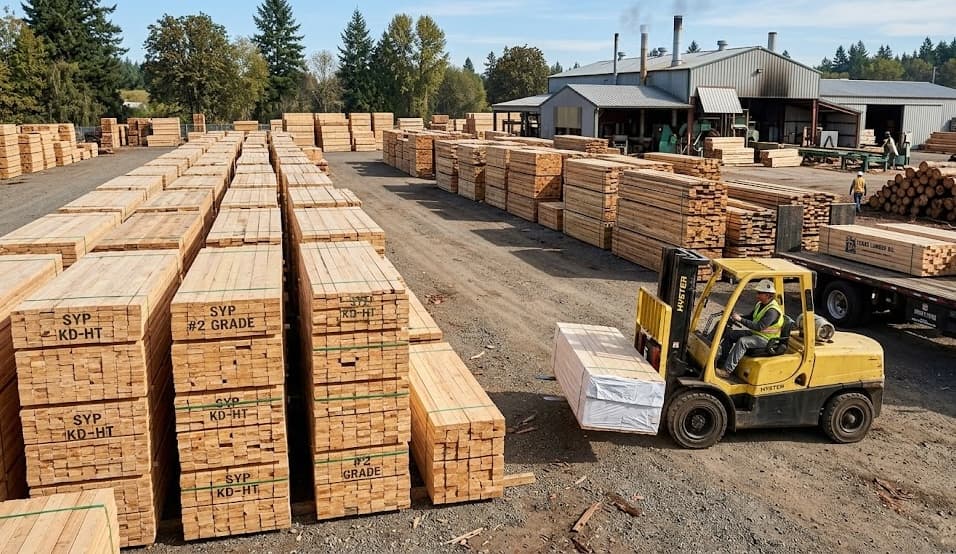
We source logs locally from tree services, storm salvage, land clearing, and orchard removals throughout southern Louisiana and the Gulf South. Every log is milled on our sawmill into slabs of various thicknesses, then stickered and air-dried for a minimum of one year per inch of thickness before kiln drying to furniture-grade moisture content (6 to 8 percent).
Quick Facts
- SpeciesCypress, Oak, Pecan, Walnut
- Widths12" to 54"
- Lengths4 ft to 14 ft
- Thickness2" to 4"
- Moisture Content6-8% (kiln dried)
Species We Stock for Live Edge
Each species has its own personality — from the warm glow of cypress to the rich drama of walnut. Learn what makes each one special and which is right for your project.
Bald Cypress
Taxodium distichumPale honey to deep amber with reddish-brown heartwood. Weathered specimens develop silver-gray tones.
Straight grain with visible growth rings. Old-growth specimens show extremely tight rings and a distinctive waxy feel.
Lightweight for its durability — approximately 32 lbs/cu ft when dry.
Easy to machine, sand, and finish. Takes stains and oils exceptionally well. The natural cypressene oils give it a pleasant aroma when cut.
Dining tables, coffee tables, outdoor bar tops, bathroom vanities, and shelves. Its natural rot resistance makes it the only species in our inventory suitable for outdoor live edge applications without chemical treatment.
Year-round. We source cypress logs from salvage operations, storm-downed trees, and sustainable harvests throughout southern Louisiana.
White Oak
Quercus albaLight tan to warm golden brown. Distinctive ray fleck patterns appear on quarter-sawn faces. Darkens to a rich amber with age and UV exposure.
Prominent cathedral grain on flat-sawn faces. Tight, straight grain on quarter-sawn surfaces. The medullary rays create a dramatic "tiger stripe" figure when the log is sawn at the right angle.
Dense and heavy — approximately 47 lbs/cu ft when dry.
Harder to machine than cypress but responds well to sharp tooling. Excellent for hand-planing. Reacts with ferrous metals (iron, steel) in the presence of moisture, producing dark staining — use stainless steel fasteners.
Dining tables, conference tables, desks, and bar tops where a substantial, durable surface is required. White oak's closed-pore structure makes it naturally waterproof and ideal for surfaces that will see spills.
Seasonal. We source white oak logs from local tree services and landowners primarily during fall and winter when sap is down.
Pecan
Carya illinoinensisDramatic contrast between pale cream sapwood and rich chocolate-brown heartwood. Many slabs show both colors in sweeping patterns, creating a natural yin-yang effect.
Bold, interlocking grain with frequent mineral streaks, knots, and character marks. Pecan is one of the most visually dramatic species for live edge work — no two slabs look remotely similar.
Very dense and heavy — approximately 46 lbs/cu ft when dry.
Challenging to machine due to interlocking grain. Requires sharp carbide tooling and slow feed rates. Sands beautifully to a glass-smooth finish. Takes oil finishes particularly well, which enhances the color contrast.
Statement dining tables, kitchen islands, and mantels where dramatic grain and color variation are desired. The heartwood/sapwood contrast makes every pecan slab a conversation piece.
Limited and seasonal. Pecan trees are typically available when orchards are cleared or when storm damage brings down mature trees. We cannot guarantee specific dimensions — each pecan slab is a unique find.
Black Walnut
Juglans nigraRich chocolate brown to deep purple-brown heartwood with lighter sapwood edges. The heartwood darkens with age and develops an exceptionally warm, luxurious tone under oil or varnish.
Straight to slightly wavy grain with occasional figured pieces showing crotch figure, burl, or fiddleback. The grain is open-pored and drinks up oil finishes, which intensify the color dramatically.
Medium density — approximately 38 lbs/cu ft when dry.
Outstanding. Walnut machines, carves, turns, and finishes beautifully. It is widely regarded as the finest North American furniture wood. Minimal tearout even with hand tools. Sands to a silky finish.
Premium dining tables, executive desks, mantels, and heirloom furniture. Walnut live edge slabs command the highest prices and are most often chosen for formal or high-end residential settings.
Limited. We source walnut logs from regional tree services and private landowners. Large slabs (over 30 inches wide) are uncommon and may require a wait.
Live Edge Slab Specs by Species
Use this table to compare dimensions, weight, and pricing tiers across our four primary live edge species.
| Species | Slab Widths | Slab Lengths | Thickness | Dry Weight (per cu ft) | Rot Resistance | Hardness (Janka) | Price Tier |
|---|---|---|---|---|---|---|---|
| Bald Cypress | 12"-48" | 4-14 ft | 2"-4" | ~32 lbs | Excellent | 510 lbf | $$ |
| White Oak | 18"-54" | 5-12 ft | 2"-4" | ~47 lbs | Very Good | 1,360 lbf | $$$ |
| Pecan | 16"-42" | 4-10 ft | 2"-3" | ~46 lbs | Low | 1,820 lbf | $$$ |
| Black Walnut | 14"-40" | 5-12 ft | 2"-4" | ~38 lbs | Moderate | 1,010 lbf | $$$$ |
Dimensions represent our typical inventory range. Custom sizes may be available by special request. Prices vary based on slab width, figure, and finish level.
From Log to Finished Slab
Sourcing
We acquire logs from local tree services, storm salvage, land clearing operations, and orchard removals throughout southern Louisiana. We focus on large-diameter logs (18 inches and up at the small end) that will yield wide slabs. Every log is inspected for species, diameter, length, defects, and figure potential before we commit to milling it.
Milling
Logs are milled on our Wood-Mizer bandsaw mill within days of acquisition to prevent checking and staining. We typically slab the entire log at 2-inch, 2.5-inch, or 3-inch thickness, depending on the species and intended use. Each slab is tagged with a unique ID that tracks its species, log number, and position in the log.
Air Drying
Fresh-sawn slabs are stickered (stacked with spacers for airflow) under cover and air-dried for a minimum of one year per inch of thickness. During this period, the slabs slowly release moisture and equalize. We monitor moisture content regularly with pin-type and pinless moisture meters. End sealer is applied to all slab ends immediately after milling to prevent end checking.
Kiln Drying
After air drying, slabs enter our dehumidification kiln for final drying to 6-8 percent moisture content — the range suitable for indoor furniture in climate-controlled spaces. The kiln cycle takes 2 to 6 weeks depending on species, thickness, and starting moisture content. Kiln drying also kills any insects present in the wood.
Flattening
Dried slabs are flattened on our CNC router-based slab flattener. This machine surfaces both the top and bottom of the slab to a uniform thickness while preserving the live edge. Flattening removes cup, twist, and bow that develop during drying and produces a surface ready for final sanding.
Finishing
We offer slabs in three states: rough (as-dried), flattened (CNC-surfaced), and finished (sanded to 220 grit with the finish of your choice). Finish options include natural oil (Rubio Monocoat or Osmo), polyurethane (water-based or oil-based in matte, satin, or gloss), and bar-top epoxy for commercial surfaces.
What You Can Build with Live Edge
From intimate coffee tables to grand conference tables, live edge slabs bring natural beauty and one-of-a-kind character to every application.
Dining Tables
A live edge dining table is the ultimate centerpiece. Whether you choose a single slab wide enough to serve as the entire tabletop or a book-matched pair joined down the center, the natural edge profile transforms a functional surface into a sculptural object. Most dining tables require slabs 30 to 42 inches wide and 6 to 10 feet long. We recommend a minimum thickness of 2 inches for structural integrity and visual proportion.
Bar Tops & Counters
Live edge bar tops bring organic warmth to kitchens, home bars, restaurants, and breweries. Bar-height applications typically use narrower slabs (18 to 30 inches) with a robust 2.5 to 3 inch thickness to withstand daily use. We recommend a durable bar-top epoxy or commercial-grade polyurethane finish for surfaces that will see heavy traffic and spills. Cypress is an excellent choice for bar tops due to its natural moisture resistance.
Floating Shelves
A live edge floating shelf adds warmth and texture to any wall. We cut shelf blanks from the narrower portions of our slabs — typically 8 to 14 inches deep and 1 to 1.5 inches thick. The natural bark edge faces outward, creating a striking contrast against a painted wall. Shelves are light enough to mount on concealed steel brackets and work beautifully in kitchens, bathrooms, living rooms, and offices.
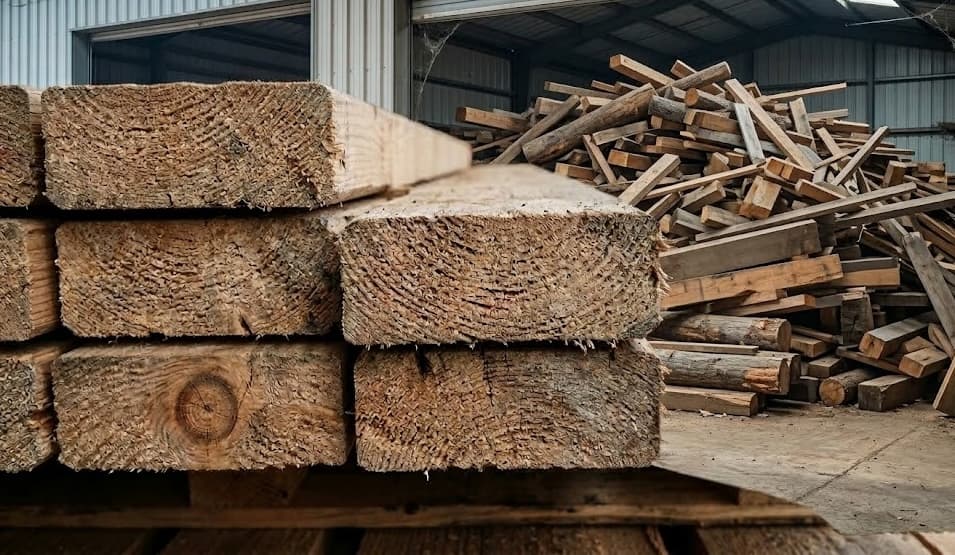
Fireplace Mantels
A thick live edge slab mounted above a fireplace makes a dramatic focal point. Mantel slabs are typically 5 to 8 inches deep, 48 to 72 inches long, and 3 to 5 inches thick. The natural edge can face either up or down depending on the desired profile. We kiln-dry all mantel stock to 8 percent moisture content or lower to ensure stability in the heat zone above a firebox.
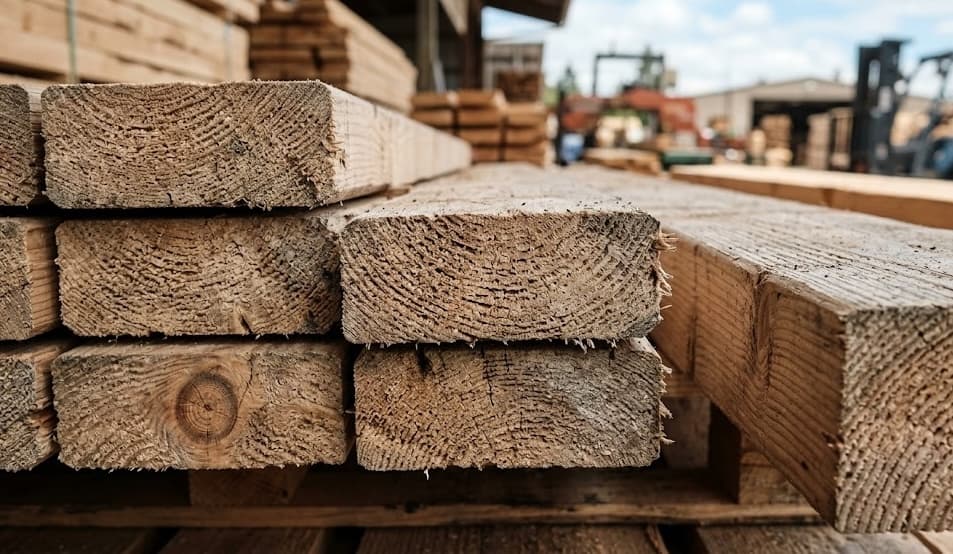
Desks & Workstations
A live edge desk slab creates a workspace that feels as inspired as the work you do there. Desk slabs are typically 24 to 36 inches deep and 5 to 7 feet long. We can drill cable management holes, route channels for power strips, and add threaded inserts for monitor arms. Walnut and white oak are the most popular choices for office applications.
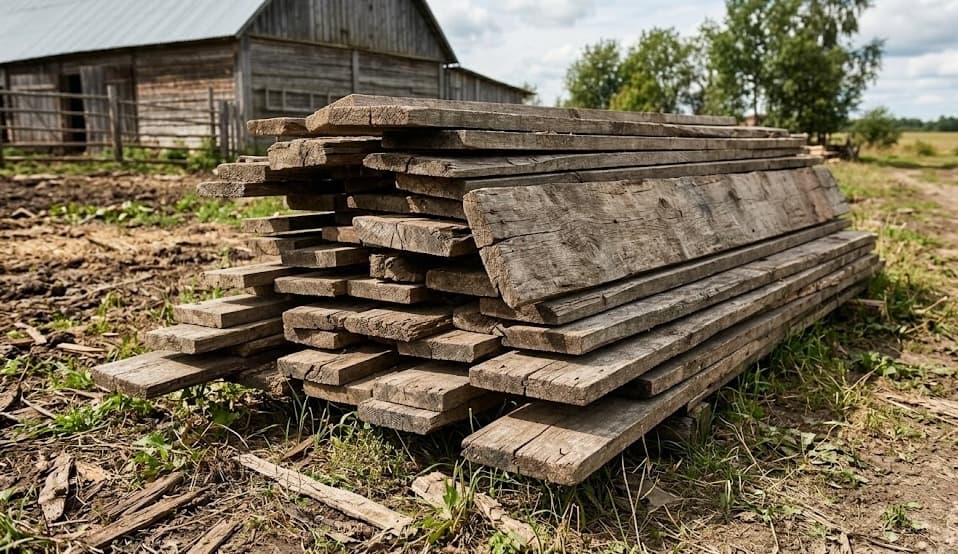
Conference Tables
For commercial spaces, a live edge conference table makes an unforgettable impression. These large-format pieces often require our widest slabs or book-matched pairs and can stretch 10 to 16 feet long. We work directly with architects and designers to specify the right species, finish, and base configuration for the space. River tables — with an epoxy resin channel between two live-edge slabs — are a popular variation.
What Determines Price
Live edge slabs are priced per board foot or per slab depending on species, size, and processing level. Here are the key factors that affect pricing.
Species
Walnut commands the highest prices, followed by white oak and pecan. Cypress is the most affordable species in our live edge inventory, partly because of its local abundance and partly because of its lighter weight.
Slab Width
Wider slabs come from larger, older trees — which are increasingly rare. A 20-inch-wide slab might cost half as much per board foot as a 40-inch-wide slab of the same species, because the wider slab required a much larger and scarcer log.
Thickness
Standard live edge slabs are 2 inches thick (8/4 rough). We also stock 3-inch (12/4) and 4-inch (16/4) slabs for bar tops, mantels, and heavy-duty tables. Thicker slabs cost more per board foot because they require larger logs and produce more waste during milling.
Figure & Character
Slabs with exceptional figure — crotch grain, burl, fiddleback, quilted patterns, or dramatic sapwood contrast — are priced at a premium. These are rare and cannot be produced on demand. When a figured slab appears, it sells quickly.
Drying Method
All of our slabs are air-dried for a minimum of one year per inch of thickness, then kiln-dried to 6-8 percent moisture content. Kiln drying adds cost but is essential for interior furniture — an improperly dried slab will warp, crack, and split after installation.
Flattening & Finishing
We sell slabs in three states: rough (as-sawn), flattened (CNC-surfaced to uniform thickness with a flat top and bottom), and finished (sanded to 220 grit with the finish of your choice applied). Each level of processing adds cost but saves the buyer significant time and equipment investment.
The Ordering Process
Step 1: Tell us what you need. Contact us with the species, approximate dimensions (width, length, thickness), and intended application. If you are not sure which species to choose, describe the look you want and we will recommend options. Photos of inspiration pieces are always helpful.
Step 2: We send photos of available slabs. We photograph matching slabs from our inventory and send you images with measured dimensions and pricing. If we do not have a slab that meets your needs in current inventory, we will let you know what is coming through our drying queue and the expected availability date.
Step 3: Select your slab. You can choose from photos or visit our shop in New Orleans to hand-select your slab in person. We encourage in-person selection for high-value pieces — photos are helpful but nothing compares to seeing and touching the wood.
Step 4: Choose your processing level. Decide whether you want the slab rough (for woodworkers who will flatten and finish it themselves), flattened (CNC-surfaced, ready for sanding and finishing), or fully finished (sanded, sealed, and ready to install). Each level of processing is priced separately.
Step 5: Delivery or pickup. We offer local delivery throughout the New Orleans metro area. For regional shipping, we crate slabs on pallets and ship via freight carrier. We also welcome customer pickup at our shop — just bring a vehicle that can accommodate the slab dimensions.
Find Your Perfect Slab
Tell us the species, size, and finish you are looking for — or visit our shop to browse our current slab inventory in person. We are always happy to send photos.